
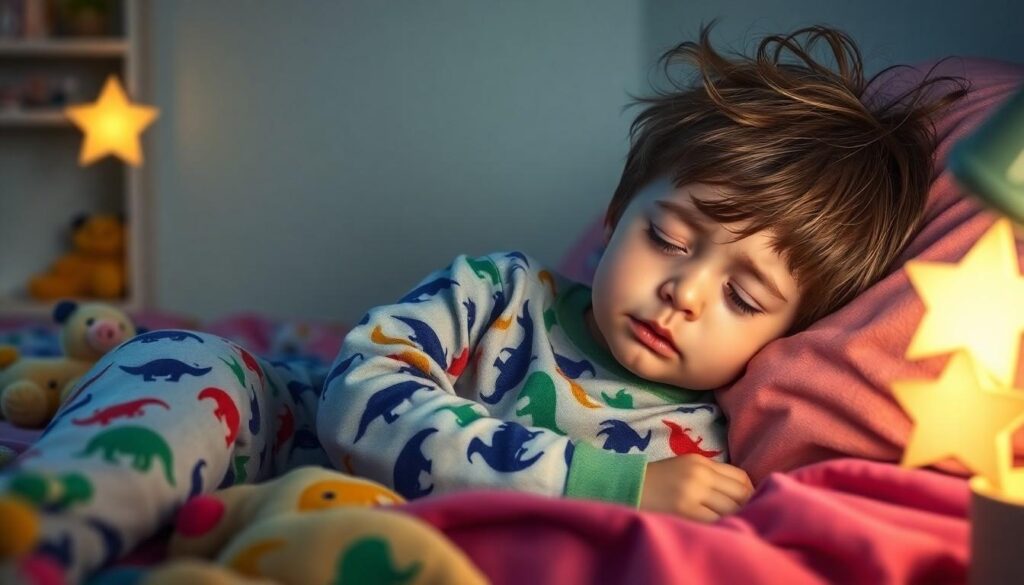
Nothing sends parents into a panic quite like hearing their little one crying in the middle of the night. While it’s heartbreaking to witness your child sobbing during sleep it’s actually a common occurrence that affects many children during their developmental years.
From night terrors to sleep talking these nocturnal disturbances can leave parents feeling helpless and confused. While most cases of nighttime crying aren’t cause for serious concern understanding the underlying reasons can help parents better respond to their child’s nighttime needs and ensure everyone gets the peaceful rest they deserve.
Understanding Sleep Crying in Children
Sleep crying occurs in children as a natural part of their sleep cycle development. This phenomenon manifests differently across age groups with varying intensities, patterns, and underlying causes.
Normal Sleep Behaviors vs. Concerning Signs
Sleep crying includes brief episodes of whimpering lasting 1-3 minutes, followed by self-soothing back to sleep. Common normal behaviors include:
- Occasional mumbling or soft crying during sleep transitions
- Brief awakenings with minimal fussing
- Movement between sleep cycles with light vocalization
- Self-resolving episodes without full awakening
Red flags that require medical attention include:
- Prolonged crying episodes lasting over 15 minutes
- Signs of physical distress during sleep
- Difficulty breathing or choking sounds
- Inability to wake up during episodes
- Daytime behavioral changes after nighttime crying
Age-Related Sleep Patterns
Sleep crying patterns evolve as children grow:
Infants (0-12 months)
- Cry every 2-3 hours for feeding
- Experience 30-45 minute sleep cycles
- Display startle reflexes causing brief cries
Toddlers (1-3 years)
- Night terrors peak at ages 2-3
- Sleep cycles extend to 60 minutes
- Separation anxiety triggers bedtime crying
Preschoolers (3-5 years)
- Nightmares become more common
- Sleep cycles match adult patterns
- Environmental factors impact sleep quality
Sleep architecture changes correlate with developmental milestones, creating distinct crying patterns at each growth stage.
Common Causes of Sleep Crying

Sleep crying in children stems from multiple factors that disrupt their normal sleep patterns. Understanding these triggers helps parents identify appropriate responses for their child’s nighttime distress.
Night Terrors and Nightmares
Night terrors occur during deep sleep stages causing children to cry intensely while remaining unresponsive to comfort. These episodes typically last 10-30 minutes with children showing signs of panic such as rapid breathing sweating. Unlike night terrors nightmares happen during REM sleep making children alert receptive to consolation. Common nightmare triggers include:
- Exposure to scary content (movies books stories)
- Recent stressful events (starting school family changes)
- Irregular sleep schedules disrupting REM cycles
- Developmental fears (darkness separation monsters)
Sleep Environment Issues
Environmental factors significantly impact children’s sleep quality creating distress patterns that manifest as crying. Key environmental disruptions include:
- Temperature fluctuations (rooms above 72°F or below 68°F)
- Excessive noise from household activities traffic
- Bright lights artificial blue light exposure
- Uncomfortable bedding scratchy pajamas
- Unfamiliar sleeping locations during travel
Medical Conditions
Physical discomfort from medical conditions often triggers sleep crying episodes. Notable medical causes include:
- Ear infections causing positional pain
- Sleep apnea leading to breathing difficulties
- Acid reflux creating chest discomfort
- Allergies causing congestion breathing issues
- Teething pain in infants toddlers
- Growth pains affecting legs joints
These medical triggers require pediatrician evaluation when sleep crying persists beyond typical patterns becomes severe impacts daytime behavior.
Physical and Emotional Triggers
Children experience various physical sensations and emotional states that manifest as crying during sleep. These triggers create distinct patterns of nocturnal disturbances that affect sleep quality and duration.
Separation Anxiety
Separation anxiety peaks between 8-18 months of age, causing sleep disruptions in 50% of infants. Children exhibit heightened distress when separated from primary caregivers at bedtime, leading to increased nocturnal crying episodes. Common manifestations include waking up searching for parents, difficulty falling asleep alone in their bed or refusing to sleep in their own room. Sleep disruptions intensify during major life changes such as starting daycare, moving homes or welcoming new siblings. Physical symptoms accompanying separation-related sleep crying include elevated heart rate, sweating or trembling.
Daytime Stress and Overstimulation
Excessive daytime activities impact children’s sleep quality, triggering crying episodes in 35% of preschoolers. Environmental stressors like busy schedules, loud noises or intense visual stimulation accumulate throughout the day. Children display signs of overstimulation through irritability, resistance to bedtime routines or difficulty unwinding before sleep. Key triggers include exposure to screens before bedtime, irregular nap schedules or participating in high-energy activities close to bedtime. Physical manifestations include muscle tension, restlessness during sleep transitions or increased sensitivity to environmental changes during rest periods.
How to Comfort a Crying Child During Sleep
Addressing a child’s nighttime crying requires specific strategies focused on providing comfort while maintaining healthy sleep patterns. Parents can implement gentle soothing techniques that help children feel secure without fully waking them.
Creating a Calming Bedtime Routine
A consistent bedtime routine creates predictability that reduces sleep-related anxiety. Children benefit from a 30-minute wind-down period that includes quiet activities such as reading books dim lighting bathing in warm water. Setting the bedroom temperature between 68-72°F contributes to optimal sleep conditions. White noise machines mask disruptive sounds while providing constant soothing background noise. Limiting screen exposure 2 hours before bedtime allows natural melatonin production promoting better sleep quality.
| Bedtime Routine Elements | Duration |
|---|---|
| Warm bath | 10 mins |
| Storytime | 10 mins |
| Quiet cuddles | 5 mins |
| Lights dimming | 5 mins |
When to Wake Your Child
Determining whether to wake a crying child depends on the type of sleep disturbance. Parents wake children during nightmares occurring in REM sleep when kids respond to comfort. Night terrors happen in deep sleep children remain unresponsive attempting to wake them causes increased distress. Signs indicating a need to wake include persistent crying lasting over 5 minutes physical symptoms like fever or breathing difficulties signs of immediate distress. Monitor sleep patterns through video monitors or periodic room checks to differentiate between self-resolving episodes serious concerns requiring intervention.
| Sleep Disturbance | Wake Child? |
|---|---|
| Nightmares | Yes |
| Night Terrors | No |
| Brief Crying | No |
| Physical Distress | Yes |
When to Seek Professional Help
Professional medical evaluation becomes essential when a child’s sleep crying patterns disrupt daily functioning or show signs of underlying health concerns. Medical intervention helps identify serious sleep disorders requiring specialized treatment.
Red Flags to Watch For
Sleep crying requires immediate medical attention when specific warning signs appear:
- Frequent night terrors occurring more than 3 times per week
- Persistent daytime fatigue affecting school performance
- Loud snoring accompanied by pauses in breathing
- Episodes of sleepwalking that risk physical injury
- Morning headaches combined with irritability
- Bedwetting incidents past age 7
- Observable signs of physical pain during sleep
- Significant behavioral changes lasting more than 2 weeks
Available Treatment Options
Professional interventions target specific sleep disorders through various approaches:
| Treatment Type | Application | Success Rate |
|---|---|---|
| Cognitive Behavioral Therapy | Anxiety-related sleep issues | 80% |
| Sleep Medicine | Severe insomnia cases | 75% |
| Light Therapy | Circadian rhythm disorders | 70% |
- Sleep studies to monitor breathing patterns overnight
- Custom behavioral modification programs
- Medication for severe cases of night terrors
- Environmental adjustments guided by sleep specialists
- Regular sleep schedule monitoring
- Specialized therapy for trauma-related sleep disturbances
Conclusion
Sleep crying in children is a common phenomenon that typically resolves as they grow and develop. While it can be concerning for parents the key lies in understanding the underlying causes and implementing appropriate solutions.
Parents should maintain consistent bedtime routines establish optimal sleep conditions and respond appropriately to their child’s nighttime distress. When sleep crying persists or shows concerning patterns medical evaluation can provide necessary insights and treatment options.
Remember that most cases of sleep crying are part of normal development. With proper understanding patience and support children can develop healthy sleep patterns that benefit the whole family.


