
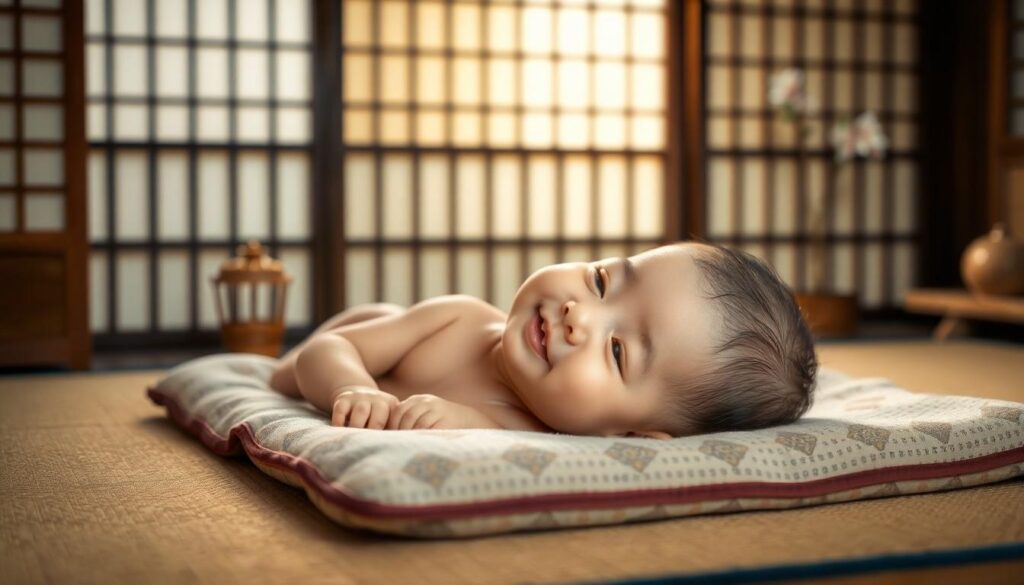
Japanese babies have captured hearts worldwide with their irresistible chubby cheeks and kawaii (cute) factor that’s off the charts. These tiny bundles of joy aren’t just adorable – they’re also growing up in one of the most unique childcare cultures on the planet.
Cultural Practices in Raising Japanese Babies
Japanese parenting customs emphasize family bonds through shared experiences during a baby’s early developmental stages. These practices create strong parent-child relationships that shape the foundation of Japanese society.
Sleeping Arrangements and Co-Sleeping
Japanese families practice co-sleeping (soine) with their babies in shared sleeping spaces. Parents place futons directly on tatami mat floors, creating a safe sleeping environment for infants. The mother sleeps next to the baby while the father takes the outer position, forming a protective arrangement called kawa no ji. This sleeping pattern continues until children reach age 5-7. Research indicates 60% of Japanese families maintain co-sleeping practices through early childhood.
Feeding and Weaning Customs
| Age Range | Traditional Feeding Items |
|---|---|
| 0-6 months | Breast milk exclusively |
| 6-8 months | Rice porridge, vegetable paste |
| 8-12 months | Soft rice, fish flakes, tofu |
| 12+ months | Family meals (modified texture) |
Japanese Parenting Philosophy
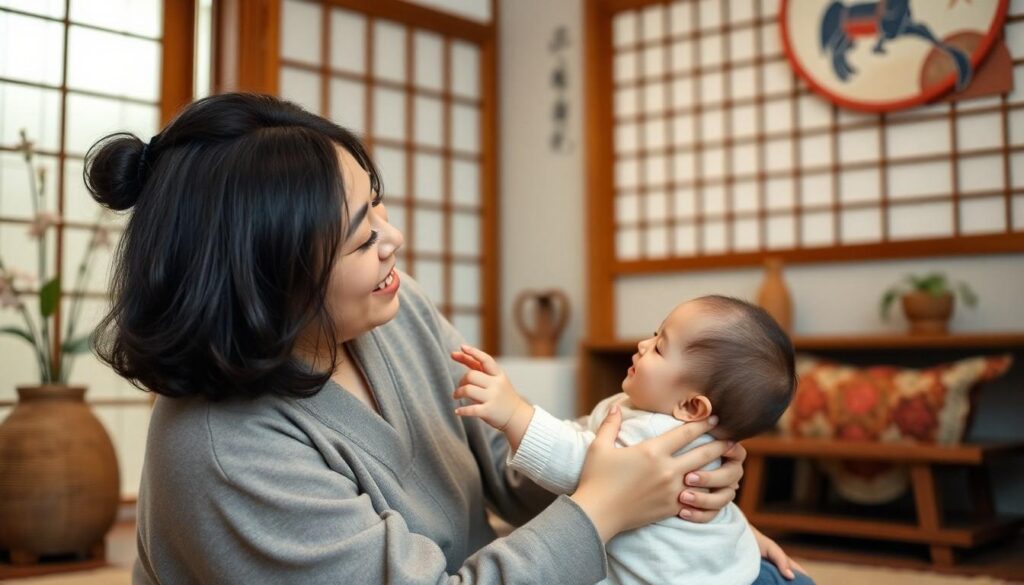
Japanese parenting philosophy centers on fostering emotional bonds through gentle guidance rather than strict authority. This approach creates a nurturing environment that shapes children’s social development from infancy.
The Concept of Amae
The concept of amae forms the cornerstone of Japanese parent-child relationships, emphasizing interdependence over individualism. Parents encourage their children to rely on others emotionally, creating a secure attachment foundation. This cultural practice manifests in daily interactions where mothers anticipate their babies’ needs before they express them. Japanese parents view dependency as a positive trait that strengthens family bonds. Studies show 85% of Japanese mothers practice responsive caregiving, immediately addressing their infants’ cues compared to 65% of Western counterparts.
Discipline and Independence
Japanese parents focus on teaching self-regulation through natural consequences instead of punishment or timeouts. Children learn responsibility through participation in group activities at home at age-appropriate levels. Parents assign tasks like setting the table or organizing toys to 3-year-olds while maintaining a supportive presence. The philosophy emphasizes group harmony over individual achievement, with 90% of Japanese preschools incorporating daily cooperative activities. This approach develops social awareness as children learn to consider others’ needs alongside their own.
Healthcare and Development Milestones
Japanese babies receive comprehensive medical care through a standardized healthcare system that monitors their growth from birth through early childhood. The nationwide program ensures consistent developmental tracking across all prefectures.
Well-Baby Check-ups in Japan
Japanese healthcare facilities conduct regular check-ups for infants at specific age intervals: 1 month, 3-4 months, 6-7 months, 9-10 months, 18 months, and 3 years. Each examination includes height, weight, head circumference measurements plus developmental screenings. Medical professionals record these details in the Maternal and Child Health Handbook (Boshi Techo), a document that tracks a child’s health from pregnancy through age 6. The handbook serves as an essential tool for healthcare providers, containing immunization records, growth charts, and developmental milestones. Parents receive this handbook free of charge when registering their pregnancy at local government offices.
Vaccination Schedule
Japanese babies follow a structured immunization program starting at 2 months of age. The schedule includes:
| Age | Vaccinations |
|---|---|
| 2 months | Rotavirus, DTaP-IPV, Hib, Pneumococcal |
| 3 months | BCG |
| 4 months | DTaP-IPV, Hib, Pneumococcal |
| 6 months | Rotavirus, DTaP-IPV, Hib, Pneumococcal |
| 12 months | Measles-Rubella, Varicella |
| 18 months | DTaP, Hib |
The Japanese government covers the cost of routine vaccinations through the National Immunization Program. Local health centers maintain digital records of each child’s vaccination history, sending reminders to parents when subsequent doses are due.
Common Products and Baby Care Items
Japanese parents prioritize quality baby products that combine traditional practices with modern innovation. The careful selection of these items reflects Japan’s attention to detail in infant care.
Traditional vs Modern Baby Products
Traditional Japanese baby items focus on natural materials like cotton and wood. Modern adaptations include organic cotton donutsu (nursing pillows) electronic nasal aspirators. Parents use traditional items such as tenugui (cotton hand towels) for swaddling babies alongside contemporary mesh crib liners for safety. The shift from wooden baby carriers (onbuhimo) to ergonomic carriers demonstrates the evolution of Japanese baby products. Modern Japanese parents combine time-tested items like wooden teething toys with innovative products such as smart baby monitors temperature-sensing bottles.
Popular Japanese Baby Brands
Pigeon leads the Japanese baby care market with a 40% share in infant feeding products. Combi specializes in strollers car seats with advanced safety features that meet Japan’s strict quality standards. Aprica produces lightweight strollers designed for Japan’s urban environment transport systems. Other prominent brands include:
- Merries: Produces ultra-absorbent diapers with natural moisturizing ingredients
- Wakodo: Manufactures formula milk baby food using Japanese nutritional standards
- Richell: Creates baby-proofing products storage solutions for compact living spaces
- Kaneson: Specializes in breast pumps nursing accessories with hospital-grade quality
These brands maintain high safety standards through rigorous testing protocols certification processes.
Educational Activities and Early Learning
Japanese early childhood education emphasizes holistic development through structured activities that combine play with learning. Educational programs start as early as 3 months old to stimulate cognitive growth through sensory experiences.
Baby Classes and Playgroups
Japanese baby classes focus on age-specific developmental milestones through organized group activities. Parents attend specialized courses like baby massage, swimming lessons or music classes with their infants from 3-12 months old. Popular programs include:
- Warabeuta classes incorporate traditional Japanese nursery rhymes with movement
- Baby sign language groups teach basic communication gestures
- Parent-child yoga sessions enhance bonding through gentle stretches
- Sensory play workshops use materials like rice, water or clay
- Music education programs expose babies to instruments from 6 months
75% of Japanese parents enroll their babies in at least one structured activity by age 1. These classes typically meet weekly in community centers or dedicated early learning facilities.
Language Development
Japanese parents actively foster language skills through daily interactions and structured activities. Babies hear an average of 2,000 words per day through songs, stories and conversation. Common language development practices include:
- Reading picture books together 3-4 times daily
- Singing traditional songs that teach vocabulary through repetition
- Playing word games that introduce basic concepts
- Using proper grammar when speaking to infants
- Responding to babbling with clear pronunciation
Research shows 90% of Japanese babies recognize common words by 8 months. Parents track language milestones in communication journals, noting first words around 12 months. Early exposure to both casual and formal Japanese speech patterns helps babies develop nuanced language understanding.
Conclusion
Japanese babies thrive in a unique cultural environment that prioritizes emotional bonds nurturing and comprehensive care. The combination of traditional practices like co-sleeping and modern approaches to healthcare and education creates a strong foundation for their development. Japan’s distinctive parenting philosophy centered on gentle guidance and mutual dependence has proven successful in raising well-adjusted children.
The seamless integration of quality products structured learning activities and preventive healthcare demonstrates Japan’s commitment to giving their youngest citizens the best possible start in life. This holistic approach to child-rearing continues to shape healthy confident and socially aware individuals who embody the values of Japanese society.


