

Tiny sparkles on those adorable baby ears might look cute but deciding when to pierce a baby’s ears can leave parents scratching their heads. While some cultures embrace early ear piercing as a cherished tradition others prefer waiting until their little ones can make the choice themselves.
From safety concerns to cultural significance the debate around baby ear piercing continues to spark passionate discussions among parents and pediatricians alike. Whether you’re considering piercing your baby’s ears at two months or two years there’s plenty to think about – including medical guidelines aftercare requirements and choosing the right professional for the job. Let’s explore the key factors that’ll help you make an informed decision about when to add that extra twinkle to your little one’s smile.
Benefits and Risks of Infant Ear Piercing
Infant ear piercing presents both advantages and potential complications for parents to evaluate. Understanding these factors helps in making an informed decision about the timing of this cosmetic procedure.
Medical Considerations
Piercing a baby’s ears during infancy offers easier monitoring of the healing process due to limited mobility. The American Academy of Pediatrics recommends waiting until a baby receives their first tetanus shot at 2 months old. Studies show a 95% success rate for ear piercings performed after vaccinations.
Key medical factors include:
- Infection risk from bacteria entering the piercing site
- Allergic reactions to metal jewelry, particularly nickel
- Formation of keloids or hypertrophic scarring
- Risk of embedded earrings if posts are too tight
Pain Management and Healing
Babies experience minimal discomfort during professional ear piercing procedures that take 15-30 seconds per ear. The healing process typically spans 4-6 weeks with proper care.
Essential healing protocols include:
- Cleaning piercing sites with saline solution 3 times daily
- Rotating earrings gently during cleaning
- Monitoring for signs of infection like redness or swelling
- Keeping hair away from newly pierced ears
- Using medical-grade gold or surgical steel studs
The initial piercing pain lasts 1-3 seconds, with sensitivity decreasing significantly within 24 hours. Parents report easier management of post-piercing care in infants compared to older children.
Best Age to Pierce Baby’s Ears
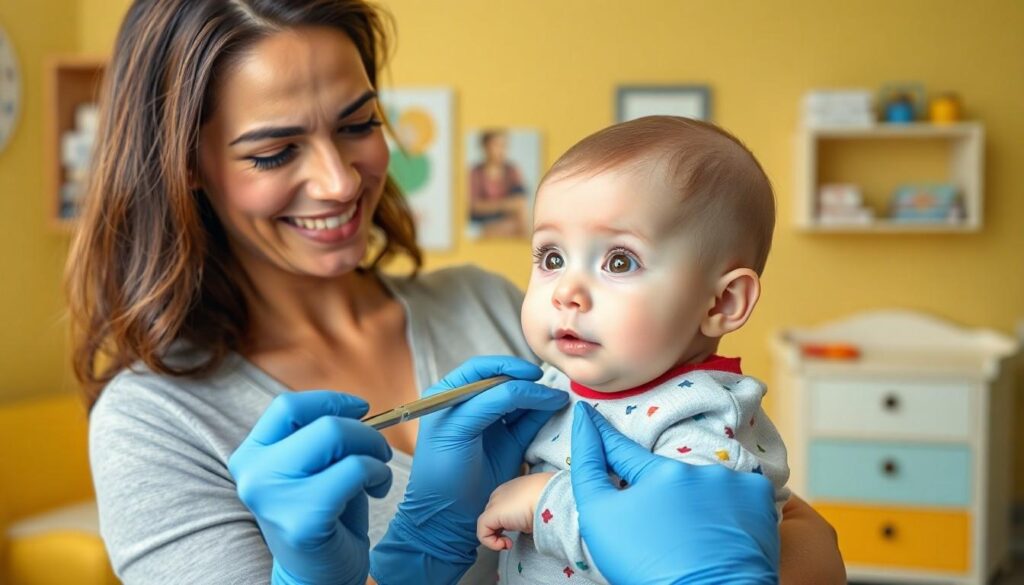
The optimal timing for infant ear piercing varies based on cultural traditions and medical guidelines. Parents consider multiple factors when determining the appropriate age for this procedure.
Cultural Perspectives
Different cultures embrace distinct timelines for ear piercing traditions. Latin American families often pierce infant ears during the first few weeks of life, considering it a cultural rite of passage. Indian families traditionally incorporate ear piercing into religious ceremonies called Karnavedha, performed between 3-5 months of age. European countries typically delay piercing until pre-teen years, emphasizing personal choice. North American practices vary widely, reflecting the region’s multicultural nature with some families choosing early infancy while others wait until their child expresses interest.
Medical Expert Recommendations
The American Academy of Pediatrics recommends waiting until a baby receives their first tetanus shot at 2 months old before ear piercing. Pediatricians advise parents to delay the procedure until 6 months of age when the immune system develops stronger infection-fighting capabilities. Medical professionals emphasize these key timeframes:
- 2-4 months: Minimum age after initial vaccinations
- 5-6 months: Optimal immune system development
- 6-12 months: Peak healing capabilities
- 3-4 years: Age of verbal communication about discomfort
Doctors note reduced risks of complications with babies older than 6 months due to their more robust immune systems.
Finding a Safe Piercing Location
Selecting the right location for ear piercing ensures optimal safety and results for babies. Professional establishments maintain strict hygiene protocols and use appropriate equipment for infant ear piercing.
Professional Piercers vs Pediatricians
Professional piercers offer specialized expertise in piercing techniques and maintain dedicated sterilization equipment. Licensed piercers complete 1,500+ hours of training, focusing on anatomy, infection prevention and proper jewelry selection. Pediatricians provide medical oversight and can address health concerns immediately during the procedure. Some pediatric offices partner with experienced piercers to offer comprehensive services. The choice between providers depends on:
- Piercer credentials: Certification from APP (Association of Professional Piercers)
- Medical considerations: Baby’s health history and vaccination status
- Equipment quality: Single-use needles vs piercing guns
- Aftercare support: Detailed instructions and follow-up care
- Facility specialization: Focus on infant piercing services
Required Safety Standards
Legitimate piercing facilities follow strict safety protocols established by health departments and professional organizations. Essential safety requirements include:
- Sterilization equipment: Autoclave machines reaching 250°F (121°C)
- Single-use materials: Individually packaged sterile needles
- Hypoallergenic jewelry: 14k gold, platinum or surgical steel options
- Clean environment: Separate piercing area with sanitized surfaces
- Documentation: Written procedures, consent forms and aftercare instructions
- Staff certification: Current bloodborne pathogen training
- Emergency protocols: First aid supplies and infection control measures
Professional facilities display current health department permits and maintain detailed sterilization logs for equipment and tools.
Proper Aftercare for Baby Ear Piercings
Proper aftercare prevents infections and ensures optimal healing of baby ear piercings. Following specific cleaning protocols and monitoring for potential complications promotes successful healing within 4-6 weeks.
Cleaning Instructions
Clean the piercing site twice daily with saline solution or a prescribed cleaning solution. Apply the solution using sterile cotton swabs to both sides of the earlobes. Rotate high-quality earrings gently during cleaning to prevent adhesion to the skin. Keep the area dry after swimming or bathing by patting with clean paper towels. Avoid touching the piercing with unwashed hands to prevent bacterial contamination. A consistent cleaning routine helps prevent complications during the healing process.
Warning Signs of Infection
Parents must watch for key infection indicators around the piercing site:
- Redness extending beyond the piercing area
- Swelling lasting more than 48 hours
- Yellow or green discharge
- Warm or hot sensation around the piercing
- Fever above 100.4°F (38°C)
- Persistent pain or tenderness
- Formation of red streaks around the piercing
Contact a healthcare provider immediately if these symptoms appear. Early intervention prevents serious complications like allergic reactions or embedded earrings.
Choosing the Right Earrings for Babies
Selecting appropriate earrings for babies requires careful consideration of materials safety standards. The right choice minimizes risks while ensuring comfort during the healing process.
Safe Materials and Styles
Medical-grade titanium earrings provide the safest option for initial baby ear piercings due to their hypoallergenic properties. 14k yellow gold studs offer another safe alternative, though white gold contains nickel which increases allergy risks. Flat-backed studs measuring 3-4mm in diameter create the optimal size for infant ears. Sterling silver earrings pose tarnishing risks while surgical stainless steel contains trace nickel amounts making both materials unsuitable for initial piercings.
| Safe Materials | Benefits |
|---|---|
| Medical-grade titanium | Hypoallergenic, lightweight |
| 14k yellow gold | Low allergy risk, durable |
| Platinum | Pure metal, highly biocompatible |
Backing Types
Screw-back earrings provide the most secure option for baby ear piercings. These backings feature a threaded post that twists into place, preventing accidental removal. Push-back styles create choking hazards for infants due to their easy removal. Butterfly backs harbor bacteria in their grooves making them unsuitable for healing piercings. Flat-disk backings offer comfort against pillows during sleep while maintaining security through pressure fit mechanisms.
| Backing Type | Security Level |
|---|---|
| Screw-back | Highest |
| Flat-disk | High |
| Push-back | Low |
| Butterfly | Not recommended |
Conclusion
The decision to pierce a baby’s ears is deeply personal and influenced by cultural traditions medical guidelines and parental preferences. While many cultures embrace early ear piercing others prefer waiting until children can participate in the decision.
Parents who choose to proceed with infant ear piercing should prioritize safety by selecting qualified professionals using appropriate equipment and following strict hygiene protocols. Choosing medical-grade materials and implementing proper aftercare routines will help ensure successful healing.
Whether parents decide to pierce their baby’s ears early or wait until later the key is making an informed choice that aligns with their values while prioritizing their child’s health and safety.


