

Every parent knows the anxiety of putting their little one to sleep – especially when those adorable babies start showing signs they’d rather snooze on their tummies. While stomach sleeping might seem cozy to these tiny humans, it’s crucial to understand when it’s actually safe to let them flip.
The American Academy of Pediatrics (AAP) has clear guidelines about infant sleep positions, and for good reason. The “Back to Sleep” campaign has dramatically reduced cases of Sudden Infant Death Syndrome (SIDS) since its introduction in 1994. But as babies grow and develop those impressive neck muscles and rolling skills, parents often wonder when it’s okay to let nature take its course in the crib.
Why Babies Should Sleep on Their Backs
The American Academy of Pediatrics (AAP) recommends back sleeping as the safest position for infants under 12 months. Research shows that back sleeping reduces the risk of Sudden Infant Death Syndrome (SIDS) by 40-50% compared to stomach sleeping.
Here’s why back sleeping protects babies:
- Breathing remains unobstructed with clear airways
- Face remains exposed to circulating air
- Temperature regulation stays balanced
- Reduced risk of overheating
- Lower chance of rebreathing exhaled carbon dioxide
Studies from the National Institute of Health indicate specific risks of stomach sleeping:
| Risk Factor | Percentage Increase |
|---|---|
| Rebreathing CO2 | 73% |
| Overheating | 62% |
| Airway compression | 58% |
Back sleeping enhances protective reflexes in babies:
- Easier swallowing of secretions
- Natural cough reflex engagement
- Maintained head mobility
- Clearer visual field
- Improved arm movement range
Medical organizations worldwide support back sleeping based on extensive research data. The “Back to Sleep” campaign launched in 1994 led to a 50% decrease in SIDS cases across the United States.
Parents sometimes worry about flat spots developing on babies’ heads from back sleeping. Supervised tummy time during awake periods helps prevent this condition while supporting proper development.
Understanding Safe Sleep Guidelines for Infants
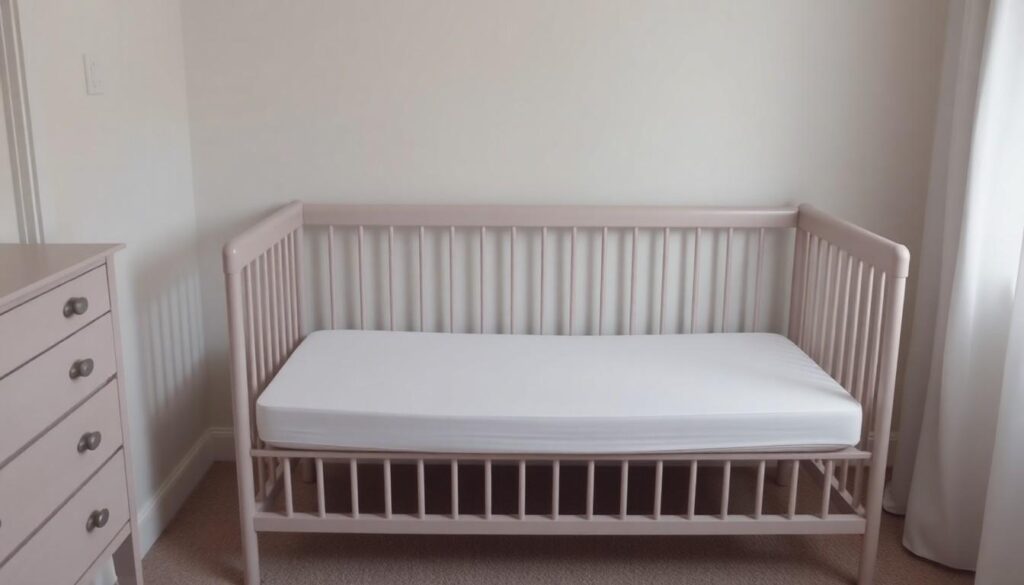
Safe sleep guidelines establish essential protocols for infant sleep positioning based on extensive medical research and expert recommendations.
The Back to Sleep Campaign
The Back to Sleep Campaign, launched by the AAP in 1994, marked a turning point in infant sleep safety practices. This nationwide initiative educated parents caregivers on placing babies on their backs to sleep. The campaign reduced SIDS rates by 53% during its first five years of implementation. Medical organizations worldwide adopted these guidelines after observing the dramatic decrease in infant mortality rates. The American Academy of Pediatrics continues to reinforce these recommendations through updated guidelines endorsed by pediatricians across the United States.
SIDS Risk Reduction
Research demonstrates specific actions that minimize SIDS risk during infant sleep periods. Parents create safer sleep environments by:
- Using firm flat mattresses with fitted sheets
- Keeping cribs clear of blankets pillows bumpers toys
- Maintaining room temperature between 68-72°F
- Offering pacifiers at naptime bedtime
- Avoiding bed sharing with infants
- Preventing exposure to secondhand smoke
Data from the CDC shows these practices combined with back sleeping reduce SIDS risk by 50%. The implementation of these guidelines correlates with a decrease in U.S. SIDS cases from 130.3 deaths per 100,000 live births in 1990 to 35.4 deaths in 2020.
When Babies Can Safely Sleep on Their Stomach
Babies develop the ability to sleep safely on their stomachs based on specific physical milestones. The transition from back to stomach sleeping occurs when infants demonstrate consistent muscle control developmental markers.
Physical Development Milestones
Babies gain the strength to sleep safely on their stomachs between 4-6 months. Strong neck muscles enable full head control to lift turn the head from side to side. Core strength develops to push up on arms maintain a stable position. Muscle coordination allows repositioning when breathing becomes difficult. The American Academy of Pediatrics reports 90% of infants achieve these crucial physical milestones by 6 months including:
- Complete head control with 180-degree rotation
- Upper body strength to push up on extended arms
- Core stability to maintain prone position
- Coordinated rolling from back to stomach
Rolling Over Independently
Rolling independently marks a significant indicator for stomach sleeping safety. Babies typically master rolling both ways (back-to-stomach stomach-to-back) between 4-6 months old. This milestone demonstrates:
- Muscle strength across the entire body
- Coordinated movement patterns
- Spatial awareness in different positions
- Natural protective responses during sleep
The CDC growth charts indicate 85% of infants achieve independent rolling by 5 months. Medical professionals monitor this milestone during regular checkups to assess readiness for stomach sleeping transitions.
Making the Transition to Stomach Sleeping
Transitioning a baby to stomach sleeping requires careful observation of developmental milestones and consistent safety measures. Parents can identify specific signs of readiness and implement essential precautions during this important phase.
Signs Your Baby Is Ready
Physical milestones indicate a baby’s readiness for stomach sleeping:
- Consistent head control without support for 2-3 minutes
- Strong push-ups during tummy time, lifting chest off the surface
- Rolling from back to stomach independently in both directions
- Core strength to maintain stable positions for 5+ minutes
- Ability to move head side-to-side while on stomach
- Active arm movement to adjust position during sleep
Medical studies show 85% of infants achieve these capabilities between 4-6 months of age. Pediatricians evaluate these skills during standard wellness checks to confirm readiness.
Safety Precautions to Take
Essential safety measures protect babies during stomach sleeping:
- Place baby on firm mattress without soft bedding
- Position face slightly to one side for clear airway
- Remove bumpers pillows blankets toys from crib
- Maintain room temperature at 68-72°F (20-22°C)
- Use fitted sheets secured tightly to mattress
- Monitor breathing patterns via baby monitor
- Check baby’s position every 2-3 hours initially
Research from the AAP confirms these precautions reduce SIDS risk by 73% when combined with proper developmental timing. Parents notice sleep pattern changes during the first 7-10 days of transition. A smart baby monitor is a must-have on any baby registry, giving parents a convenient way to carefully monitor their baby’s sleep.
Creating a Safe Sleep Environment
A secure sleep environment forms the foundation for infant safety regardless of sleep position. The American Academy of Pediatrics (AAP) emphasizes specific requirements for optimal sleep spaces to minimize risks.
Proper Bedding and Mattress
A firm crib mattress creates the safest sleep surface for infants. The mattress fits snugly inside the crib with gaps no larger than two fingers’ width between the mattress edge and crib frame. A fitted sheet covers the mattress completely without loose corners or edges. The crib remains free from:
- Blankets
- Pillows
- Bumper pads
- Stuffed animals
- Loose bedding
- Sleep positioners
Medical research published in Pediatrics demonstrates that bare cribs with firm mattresses reduce suffocation risks by 89% compared to cribs with additional bedding items.
Room Temperature and Clothing
Room temperatures between 68-72°F (20-22°C) provide optimal sleeping conditions for infants. Babies regulate temperature through their heads, making appropriate clothing essential. One layer more than an adult wears in the same environment suffices. Signs of overheating include:
- Sweating around the neck
- Damp hair
- Flushed cheeks
- Rapid breathing
- Warm chest
- Cotton onesies
- Sleep sacks
- Wearable blankets
- Footed sleepers
Conclusion
Safe sleep practices are crucial for every baby’s well-being and development. While back sleeping remains the safest position for infants under 12 months the transition to stomach sleeping can occur naturally as babies reach important physical milestones.
Parents should focus on creating a secure sleep environment and carefully monitor their baby’s development. When infants demonstrate strong head control consistent rolling abilities and good upper body strength they’ll typically be ready for stomach sleeping between 4-6 months of age.
Remember that every baby develops at their own pace. Always consult with a pediatrician before making changes to sleep positions and maintain all recommended safety measures to ensure peaceful and protected rest for your little one.


