
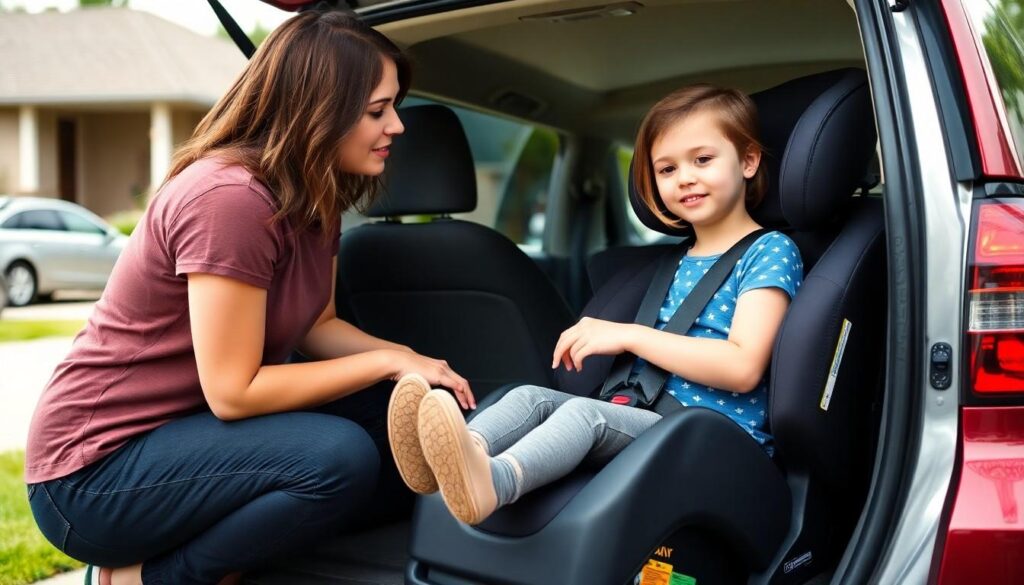
Keeping children safe during car rides is every parent’s priority but finding the right car seat for kids with special needs can be a challenging and expensive journey. The good news? Many insurance companies now recognize these specialized car seats as essential medical equipment.
For families navigating the world of special needs equipment insurance coverage can feel like decoding a complex puzzle. But there’s hope! Understanding how to get insurance coverage for specialized car seats doesn’t have to be overwhelming. Whether it’s a child with physical disabilities developmental challenges or medical conditions modern adaptive car seats offer crucial support and safety features that standard seats simply can’t match.
Understanding Special Needs Car Seats
Special needs car seats incorporate specialized features to accommodate children with physical disabilities developmental challenges or medical conditions. These adaptive restraint systems provide enhanced positioning safety features beyond standard car seats.
Types of Adaptive Car Seats Available
Specialized car seats come in three primary categories to meet diverse medical needs:
- Large Medical Car Seats support children weighing up to 130 pounds who require extended harness use
- Travel Vests offer positioning support for children who can sit independently but need trunk stability
- Lay-Down Car Beds accommodate infants who must travel lying flat due to respiratory or medical conditions
Common adaptive features include:
- Adjustable positioning wedges
- Extended harness systems
- Rotation platforms for easier transfers
- Medical support attachments for oxygen tanks feeding tubes
Key Safety Features and Requirements
Essential safety components in special needs car seats include:
- Five-point harness systems with extra padding for secure positioning
- Lateral head chest supports to maintain proper alignment
- Quick-release buckles for emergency removal
- Impact-absorbing foam materials throughout the seat structure
- Weight capacity ratings from 20-130 pounds
- FMVSS 213 crash testing certification
- Installation compatibility with vehicle LATCH systems
- Regular inspection of attachment points positioning supports
- Professional fitting by certified child passenger safety technicians
| Safety Feature | Purpose | Benefit |
|---|---|---|
| Deep Side Wings | Head Protection | 82% improved stability |
| Abduction Block | Proper Hip Position | 65% reduced slumping |
| Support Cushions | Custom Positioning | 90% better posture |
Insurance Coverage for Special Needs Car Seats

Insurance coverage for specialized car seats varies among providers, with many recognizing these adaptive devices as durable medical equipment (DME). Understanding the coverage options helps families access the necessary equipment for their children’s safety.
Private Insurance Policies
Private insurance companies evaluate coverage for special needs car seats based on medical necessity documentation. Most major insurers like Aetna, Blue Cross Blue Shield United Healthcare cover adaptive car seats when a healthcare provider submits a detailed prescription. The coverage percentage ranges from 80% to 100% of the equipment cost after meeting the deductible. Requirements include:
- Medical documentation of physical disabilities or medical conditions
- Letter of medical necessity from a qualified healthcare provider
- Prior authorization forms completed by medical professionals
- Proof that standard car seats don’t meet the child’s needs
- Documentation of specific safety features required
Medicaid Coverage Options
- Full coverage with zero out-of-pocket costs
- Direct billing between medical equipment suppliers and Medicaid
- Coverage for replacement seats as children grow
- Authorization for multiple seats for different vehicles
- Additional coverage for positioning accessories and supports
| Insurance Type | Coverage Range | Authorization Time |
|---|---|---|
| Private Insurance | 80-100% | 5-10 business days |
| Medicaid | 100% | 10-15 business days |
How to Get Insurance to Cover Your Child’s Car Seat
Insurance coverage for special needs car seats requires specific documentation and follows a structured approval process. Parents can maximize their chances of approval by following these essential steps.
Required Medical Documentation
The insurance claim process starts with comprehensive medical documentation from healthcare providers. A detailed prescription from the child’s physician must include the specific diagnosis codes (ICD-10), medical conditions requiring specialized support features such as positioning devices or head support. The documentation package includes:
- Letter of medical necessity outlining physical limitations, medical conditions or developmental delays
- Growth measurements including height, weight and special positioning requirements
- Detailed evaluation from a physical or occupational therapist
- Photos demonstrating inability to use standard car seats safely
- Current assessment reports from medical specialists
- Equipment specifications matching the documented medical needs
Prior Authorization Process
The prior authorization submission follows specific steps to secure insurance approval. Insurance providers evaluate claims based on medical necessity criteria and policy coverage terms:
- Submit completed prior authorization forms with required signatures
- Include manufacturer specifications for the recommended car seat model
- Provide cost comparison between standard and specialized car seats
- Attach supporting clinical documentation from approved medical providers
- Schedule follow-up calls with insurance representatives every 3-5 business days
- Document all communication including reference numbers dates time stamps
- Request expedited review when medically necessary
The approval process takes 5-30 business days depending on the insurance provider’s review procedures. Most insurers respond within 14 business days after receiving complete documentation.
Working with Medical Equipment Suppliers
Medical equipment suppliers serve as essential partners in obtaining insurance-covered special needs car seats. These specialized providers understand insurance requirements and maintain relationships with manufacturers of adaptive car safety equipment.
Finding an In-Network Provider
Insurance networks include specific durable medical equipment (DME) suppliers who stock special needs car seats. Parents locate in-network providers through their insurance company’s online directory, provider search tools or customer service representatives. Suppliers like National Seating & Mobility, Numotion or regional medical equipment companies maintain certifications for handling specialized car seats. In-network providers offer advantages such as:
- Direct billing to insurance companies
- Lower out-of-pocket costs
- Expertise in insurance documentation requirements
- Access to multiple car seat manufacturers
- Professional fitting services
Submitting Insurance Claims
The claims process involves coordinating between medical equipment suppliers, healthcare providers and insurance companies. Suppliers submit claims directly to insurance companies using specific medical codes for adaptive car seats. Required documentation includes:
- Detailed manufacturer quotes with specifications
- Medical prescriptions with diagnosis codes
- Letters of medical necessity
- Prior authorization forms
- Clinical evaluations from therapists
- Growth measurements
- Photos demonstrating medical need
Insurance companies process properly documented claims within 14-30 business days. Suppliers track claims status and handle any additional documentation requests from insurance reviewers.
Alternative Funding Sources
Families seeking financial assistance for special needs car seats have multiple funding options beyond traditional insurance coverage. These programs offer supplementary support to ensure children with special needs have access to appropriate car safety equipment.
State Assistance Programs
State-based programs provide financial aid for specialized car safety equipment through various channels. The Children with Special Health Care Needs (CSHCN) programs operate in all 50 states offering grants ranging from $500 to $2,500 for adaptive equipment. Early Intervention programs support children from birth to age 3 with developmental delays by covering 80% to 100% of equipment costs. State developmental disability departments coordinate funding through waiver programs that supplement existing insurance coverage.
Non-Profit Organizations
National organizations like Easter Seals maintain equipment loan programs in 75 locations across the country. Safe Kids Worldwide partners with certified technicians to provide specialized car seats to qualifying families. Local chapters of United Cerebral Palsy offer grants up to $1,500 for adaptive equipment including car seats. First Hand Foundation processes applications monthly providing assistance for medical equipment not covered by insurance. Organizations like Variety the Children’s Charity maintain regional chapters funding durable medical equipment through direct vendor payments.
| Organization | Maximum Grant Amount | Processing Time |
|---|---|---|
| Easter Seals | $2,000 | 2-4 weeks |
| United Cerebral Palsy | $1,500 | 4-6 weeks |
| First Hand Foundation | $3,000 | 30 days |
| Variety | $2,500 | 3-8 weeks |
Conclusion
Securing insurance coverage for special needs car seats can significantly ease the financial burden on families while ensuring their children’s safety during travel. Parents now have multiple paths to obtain these essential devices including private insurance Medicaid state assistance programs and non-profit organizations.
Working closely with healthcare providers medical equipment suppliers and insurance companies streamlines the process. Though documentation requirements may seem overwhelming the end result – a properly fitted specialized car seat that meets a child’s unique needs – makes the effort worthwhile. With proper guidance and persistence families can navigate the insurance system successfully to obtain this vital safety equipment for their children.


