
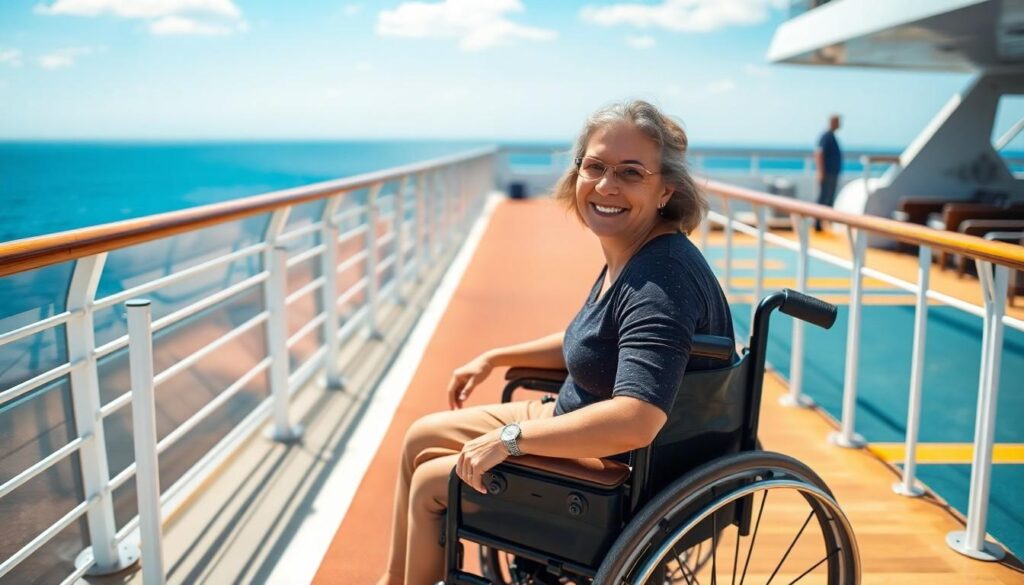
Cruising the open seas should be an adventure available to everyone, regardless of their physical abilities or special requirements. While many travelers worry that their mobility challenges might keep them from experiencing the magic of ocean travel, modern cruise lines have revolutionized accessibility at sea.
From wheelchair-accessible cabins to specialized shore excursions, today’s cruise ships offer an impressive array of accommodations for passengers with special needs. These floating resorts have transformed into inclusive havens where guests can navigate easily, enjoy expert medical care, and access essential equipment right on board. It’s not just about basic accessibility anymore – it’s about creating unforgettable vacation experiences for every single passenger who steps aboard.
Understanding Special Needs Cruising
Modern cruise ships offer comprehensive accessibility features tailored to passengers with diverse mobility requirements mobility challenges. These accommodations ensure comfortable navigation throughout the vessel while maintaining independence during the journey.
Types of Special Needs Accommodations
Cruise ships provide specialized cabins with wider doorways ranging from 32 to 36 inches to accommodate wheelchairs mobility devices. Accessible staterooms feature roll-in showers grab bars transfer seats bathroom modifications. Common areas include automatic doors ramps gentle inclines for easy navigation. Pool lifts enable water access while tactile deck indicators assist visually impaired guests. Dining venues offer designated spaces for wheelchair seating raised tables special menus for dietary restrictions.
Medical Support Available at Sea
Cruise ships maintain fully equipped medical centers staffed with licensed physicians registered nurses available 24/7. Medical facilities include examination rooms treatment bays minor surgical capabilities prescription medications. Ships stock essential medical supplies oxygen tanks specialized equipment for emergencies. Onboard healthcare teams coordinate with port medical facilities for complex cases requiring additional care. Guests receive access to telehealth services satellite communication links to onshore specialists. Medical staff assist with medication storage administration including refrigerated medicines insulin maintenance.
| Medical Service | Availability | Staff Coverage |
|---|---|---|
| Medical Center | 24/7 | Doctors Nurses |
| Emergency Response | Round-the-clock | Medical Team |
| Prescription Services | Daily | Ship’s Pharmacy |
| Specialist Consultations | Via Telehealth | On-demand |
Choosing the Right Cruise Line

Selecting an appropriate cruise line determines the quality of accessible travel experiences at sea. Each cruise line offers distinct accessibility features for guests with special needs.
Best Cruise Ships for Mobility Issues
Royal Caribbean’s Quantum-class ships lead the industry in accessibility with 34 wheelchair-accessible cabins per vessel. These ships feature wider corridors, automatic doors throughout public spaces and enhanced wayfinding systems for seamless navigation. Norwegian Cruise Line’s Breakaway Plus class vessels provide dedicated pool lifts, accessible entertainment venues and specially designed tendering platforms. Celebrity Cruises’ Edge Series ships incorporate innovative accessibility features including:
- Roll-in showers with folding benches in all accessible staterooms
- Tactile guidance systems in all public areas
- Accessible shore excursion vehicles at most ports
- Lowered playing tables in casinos
- Braille signage throughout the ship
Specialized Programs and Services
Major cruise lines maintain dedicated access departments to coordinate accommodations for guests with special needs. Princess Cruises offers personalized embarkation assistance featuring priority check-in and boarding support. Holland America Line provides:
- Complimentary wheelchair transfers at embarkation
- Sign language interpreters with 60-day advance notice
- Oxygen cylinder storage and delivery services
- Special dietary accommodation programs
- Service animal relief areas with cleaning stations
- Accessible transportation at ports
- Modified activity options
- Trained guides for guests with disabilities
- Priority tendering services
- Customized accessibility equipment rentals
Planning Your Accessible Voyage
A successful accessible cruise experience starts with thorough preparation months before departure. Proper planning ensures all necessary accommodations are in place for a comfortable journey at sea.
Essential Documentation Requirements
Travelers with special needs require specific medical documentation for cruise travel. A physician’s statement detailing current medical conditions dates within 30 days of sailing. Medical certificates must outline mobility equipment specifications including power source types dimensions. Medication lists require documentation with dosages schedules administration methods. Service animal handlers need international health certificates vaccination records documentation of training. Oxygen-dependent passengers must submit a letter from their doctor confirming oxygen requirements tank specifications. Insurance documentation includes copies of medical coverage cards special needs travel insurance policies emergency contact information.
Booking Special Assistance Services
Cruise lines provide specialized assistance services through dedicated access coordinators. Princess Cruises access office arranges embarkation support pier assistance cabin modifications 60 days before sailing. Norwegian Cruise Line’s Access Plus Service coordinates equipment rentals dietary accommodations transportation logistics. Royal Caribbean’s Special Needs team manages accommodation requests including:
- Sign language interpreter scheduling
- Oxygen tank delivery coordination
- Transfer assistance arrangements
- Dietary restriction notifications
- Mobility equipment storage needs
Contact the cruise line’s special assistance department at least 90 days before departure to secure necessary services.
Onboard Accessibility Features
Modern cruise ships incorporate extensive accessibility features throughout their vessels, ensuring comfortable navigation and independence for guests with special needs. These features extend from specially designed cabins to comprehensive dining accommodations.
Accessible Staterooms and Facilities
Accessible staterooms feature wider doorways measuring 32-36 inches to accommodate wheelchairs and mobility devices. Roll-in showers come equipped with fold-down benches, handheld showerheads and grab bars positioned at ADA-approved heights. Cabin layouts provide 5 feet of turning radius for wheelchairs with accessible closets featuring lowered clothing rods at 48 inches. Public areas include automatic doors, accessible elevators with Braille panels and audible signals plus tactile deck indicators. Pool areas incorporate hydraulic lifts with 600-pound weight capacity. Theater spaces offer designated wheelchair seating areas with companion seats. Accessible routes throughout the ship maintain gentle inclines under 1:12 ratio with non-slip surfaces.
Dietary Accommodations
Cruise lines offer extensive dietary options for passengers with special requirements. Menu items accommodate gluten-free, dairy-free, vegetarian, vegan, kosher and halal preferences. Professional dietitians review all meal preparations to prevent cross-contamination. Restaurant staff maintain detailed logs of ingredients for allergy awareness. Room service menus feature clear allergen labeling. Specialty restaurants provide modified versions of signature dishes. Buffet stations include separate preparation areas for allergen-free foods. Guests receive personalized meal cards identifying their dietary restrictions. Advance meal ordering enables proper preparation time. Specialty items like sugar-free desserts come individually packaged to prevent mixing. Dining room staff undergo specific training in handling special dietary requests.
Shore Excursion Considerations
Shore excursions require careful planning for passengers with special needs to ensure seamless accessibility from ship to destination. The following sections detail key considerations for accessible activities and transportation options at ports of call.
Accessible Port Activities
Cruise lines offer specialized shore excursions designed for guests with mobility limitations or other accessibility requirements. These tours feature step-free routes guides trained in accessibility assistance smaller group sizes. Popular accessible activities include panoramic bus tours scenic coastal drives adapted walking tours through historic districts wheelchair-accessible boat rides. Many ports provide beach wheelchairs for seaside excursions tactile museum experiences for visually impaired guests audio-described tours at cultural sites. Tour operators coordinate with local venues to verify accessibility features such as ramps elevators accessible restrooms designated viewing areas.
Transportation Options
Accessible transportation at ports includes wheelchair-accessible vehicles equipped with lifts ramps secure tie-downs. Modified buses vans accommodate standard wheelchairs power chairs scooters with advance reservations. Private accessible transfers provide door-to-door service between the ship cruise terminals tourist attractions shopping districts. Select ports feature accessible water taxis equipped with boarding lifts while others offer adapted trolleys with level-entry platforms. Transportation services include experienced drivers trained in mobility assistance equipment handling passenger safety protocols. Cruise lines maintain partnerships with local accessible transport providers to ensure reliable service across different ports.
Traveling With Care Companions
Care companions enhance cruise experiences for guests with special needs by providing personalized assistance throughout the journey. These trained professionals ensure safety comfort while enabling independence during ocean travel.
Role of Travel Assistants
Travel assistants offer specialized support with daily activities including medication management mobility assistance personal care. These certified caregivers coordinate with ship staff to arrange accessible dining experiences shore excursions medical appointments. Professional companions maintain detailed care logs communicate with family members back home monitor vital health parameters. Many cruise lines partner with licensed care agencies to provide:
- Certified nursing assistants for medical monitoring
- Physical therapy aides for mobility exercises
- Personal care attendants for hygiene assistance
- Companions trained in memory care support
- Medical equipment specialists for device maintenance
Group Travel Benefits
Group travel with care companions creates opportunities for socialization shared experiences among guests with similar needs. Travel groups typically include 4-8 guests with compatible assistance requirements paired with qualified companions. Group activities include:
- Organized accessible shore excursions
- Social dining arrangements
- Group fitness sessions
- Craft workshops
- Entertainment outings
| Group Size | Companion Ratio | Activities Per Day |
|---|---|---|
| Small (4-6) | 1:2 | 3-4 |
| Medium (7-12) | 1:3 | 4-5 |
| Large (13-20) | 1:4 | 5-6 |
Companions coordinate group logistics handle equipment needs facilitate social interactions among participants. This arrangement reduces individual care costs while maximizing engagement opportunities for all guests.
Conclusion
Modern cruise lines have revolutionized accessible travel at sea through comprehensive accommodations and dedicated support services. Their commitment to inclusivity extends from specialized cabins to accessible shore excursions ensuring every passenger can enjoy their maritime adventure.
With advanced planning and the right cruise line selection passengers with special needs can experience unforgettable vacations alongside family and friends. The industry continues to innovate with new accessibility features trained staff and enhanced medical facilities making ocean travel more accessible than ever before.
Cruise vacations truly offer an opportunity for everyone to explore the world’s waterways with confidence comfort and independence. The future of accessible cruising looks bright as cruise lines remain dedicated to breaking down barriers and creating memorable experiences for all their guests.


