
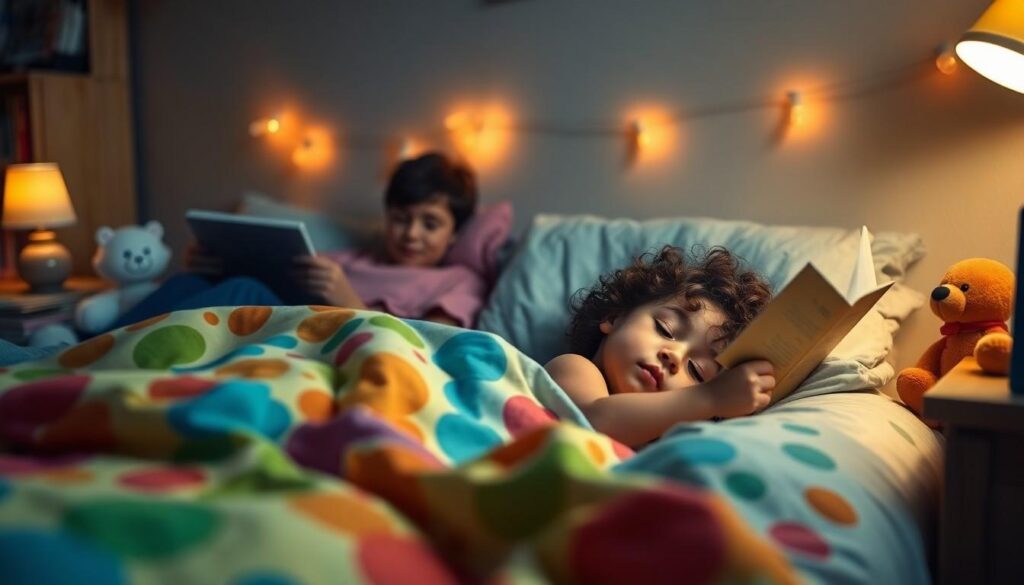
Getting kids to sleep can feel like negotiating with tiny dictators who’ve had too much sugar. Parents know the nightly struggle of “just five more minutes” all too well. That’s where bedtime stories swoop in like magical sleep-inducing superheroes to save the day (or rather, the night).
Sleep stories for children aren’t just entertaining tales – they’re powerful tools that help young minds transition from busy daytime mode to peaceful nighttime rest. These specially crafted narratives combine soothing elements, gentle pacing and calming themes to create the perfect recipe for sleepy-time success. Modern parents now have access to countless options, from traditional storybooks to digital apps filled with enchanting bedtime adventures.
What Are Kids Sleep Stories and Why They Matter
Kids sleep stories combine soothing narratives with calming elements to create a peaceful transition into sleep. These specialized tales incorporate gentle pacing, relaxing themes and soft language patterns designed specifically for bedtime.
Benefits of Bedtime Stories for Children
Sleep stories support critical childhood development through multiple cognitive and emotional pathways:
- Enhanced vocabulary acquisition through exposure to diverse language patterns
- Strengthened parent-child bonding during shared reading experiences
- Improved emotional regulation from consistent bedtime routines
- Accelerated literacy development through regular story engagement
- Reduced bedtime anxiety with familiar calming narratives
- Increased attention span from focused listening practice
- Better sleep quality through gradual mental decompression
How Sleep Stories Differ From Regular Books
Sleep stories feature distinct characteristics that set them apart from standard children’s literature:
- Slower narrative pacing with longer pauses between scenes
- Repetitive soothing phrases that promote relaxation
- Absence of dramatic plot points or exciting action sequences
- Gentle transitions between story elements
- Soft descriptive language focused on peaceful imagery
- Progressive reduction in narrative energy
- Mindful word choices that avoid stimulating content
- Rhythmic sentence patterns that mirror natural breathing
- Shorter overall length optimized for bedtime reading
The deliberate structure guides children toward sleep through measured storytelling techniques rather than complex plot development.
Elements of Effective Sleep Stories for Children

Effective sleep stories incorporate specific elements designed to lull children into a peaceful slumber. These essential components work together to create an environment conducive to rest and relaxation.
Calming Language and Tone
Sleep stories use soft descriptive words that evoke tranquil imagery such as “whisper” “floating” “gentle” “peaceful.” The narrator’s voice maintains a steady soothing cadence throughout the story’s progression. Simple sentence structures replace complex vocabulary allowing children to follow along without mental strain. Words with harsh sounds or jarring consonants are omitted in favor of melodic phrases that flow smoothly. Stories often include repetitive calming phrases like “drifting softly” or “breathing deeply” to reinforce relaxation.
Gentle Pacing and Rhythm
Sleep stories follow a measured tempo that gradually slows as the narrative unfolds. The storyline progresses through deliberate transitions avoiding sudden plot changes or exciting elements. Sentences maintain consistent lengths creating a predictable pattern similar to a lullaby’s rhythm. Natural pauses between story segments allow children to process the content without becoming overstimulated. The narrative incorporates extended descriptions of peaceful scenes giving young minds time to visualize calming imagery. Sound effects when used remain subtle featuring sounds like gentle rain ocean waves or soft wind chimes.
Popular Themes in Children’s Sleep Stories
Sleep stories incorporate specific themes that resonate with children’s interests while maintaining a soothing atmosphere conducive to rest. These themes combine familiar elements with gentle storytelling techniques to create engaging yet calming narratives.
Nature and Animal Tales
Nature-themed sleep stories transport children to peaceful outdoor settings with gentle descriptions of forests, meadows, oceans, and gardens. Characters include friendly woodland creatures like rabbits hopping through soft grass, owls gliding silently through starlit skies, and butterflies floating on warm summer breezes. Environmental sounds such as rustling leaves, babbling brooks, and chirping crickets create immersive ambient backgrounds. These stories often follow simple journeys, like a deer walking through a misty morning forest or a dolphin swimming in calm ocean waters, incorporating natural rhythms that mirror restful breathing patterns.
Magical Adventures and Fantasy
Fantasy-themed sleep stories feature enchanted realms filled with gentle magic and wonder. Characters explore cloud kingdoms, stargaze with friendly dragons, or visit moonlit fairy gardens. Magical elements include sparkly dream dust, floating rainbow bubbles, and soft-glowing fireflies that guide the way. These tales incorporate calming magical sounds like tinkling crystals, whispering wind chimes, and the gentle hum of unicorn wings. The adventures focus on peaceful exploration rather than conflict, such as floating on clouds or riding on the back of a gentle giant through fields of sleeping flowers.
Best Ways to Tell Sleep Stories to Kids
Effective sleep story delivery combines a soothing environment with engaging storytelling techniques. Parents enhance their children’s bedtime experience through intentional preparation and skilled narration.
Creating the Right Environment
A dedicated sleep environment sets the foundation for successful bedtime storytelling. Dim lighting from a small bedside lamp creates a cozy atmosphere while maintaining enough visibility to read. The room temperature stays between 68-72°F (20-22°C) for optimal comfort. A white noise machine or soft background sounds mask disruptive noises from other parts of the house. Comfortable bedding elements include:
- Plush pillows positioned at a 15-degree angle for proper head support
- Breathable cotton blankets layered according to room temperature
- Favorite stuffed animals placed within easy reach
- Blackout curtains to block external light sources
Voice and Delivery Tips
- Dropping voice pitch slightly at scene transitions
- Pausing for 2-3 seconds between paragraphs
- Using gentle hand gestures to emphasize peaceful moments
- Maintaining consistent character voices throughout the story
- Speaking in a rhythmic pattern that mimics breathing
- Gradually lowering volume as the story progresses
Digital Sleep Stories and Audio Options
Digital platforms revolutionize bedtime routines by offering innovative ways to deliver sleep stories. Modern technology provides parents with diverse options for accessing high-quality sleep content designed specifically for children.
Top Sleep Story Apps for Children
Popular sleep story apps like Calm Kids, Headspace for Kids and Moshi feature extensive libraries of age-appropriate content narrated by professional voice actors. Calm Kids offers stories with ambient nature sounds mixed with gentle musical elements. The Moshi app includes over 90 original sleep stories with character-driven narratives featuring soothing voice work. Headspace for Kids combines mindfulness techniques with bedtime stories to promote relaxation.
| App Name | Key Features | Content Library Size |
|---|---|---|
| Calm Kids | Nature sounds, music | 100+ stories |
| Moshi | Character narratives | 90+ stories |
| Headspace | Mindfulness focus | 50+ stories |
Screen-Free Alternatives
Audio-only options provide effective alternatives to screen-based content. Podcasts like “Peace Out” and “Stories for Kids” deliver sleep-focused episodes through audio streaming platforms. Traditional audiobooks from services like Audible Junior include dedicated bedtime story collections. Smart speakers enable access to sleep stories through voice commands while maintaining a screen-free environment. Physical audio players designed for children offer preloaded sleep content with simple controls. These screen-free solutions minimize blue light exposure which affects melatonin production before bedtime.
| Audio Format | Benefits |
|---|---|
| Podcasts | Free access, regular updates |
| Audiobooks | Professional narration, extensive selection |
| Smart speakers | Voice control, no screens |
Conclusion
Kids’ sleep stories stand as powerful tools in creating peaceful bedtime experiences. From traditional books to modern digital platforms these narratives help transform potentially challenging bedtime routines into cherished moments of connection and calm.
Parents now have access to a wealth of resources designed specifically to ease their children into restful sleep. Whether choosing nature-themed tales gentle fantasy adventures or guided relaxation stories the key lies in consistent and mindful delivery.
By incorporating these specially crafted stories into bedtime routines families can foster stronger bonds while helping their little ones develop healthy sleep habits that will benefit them throughout their lives.


