
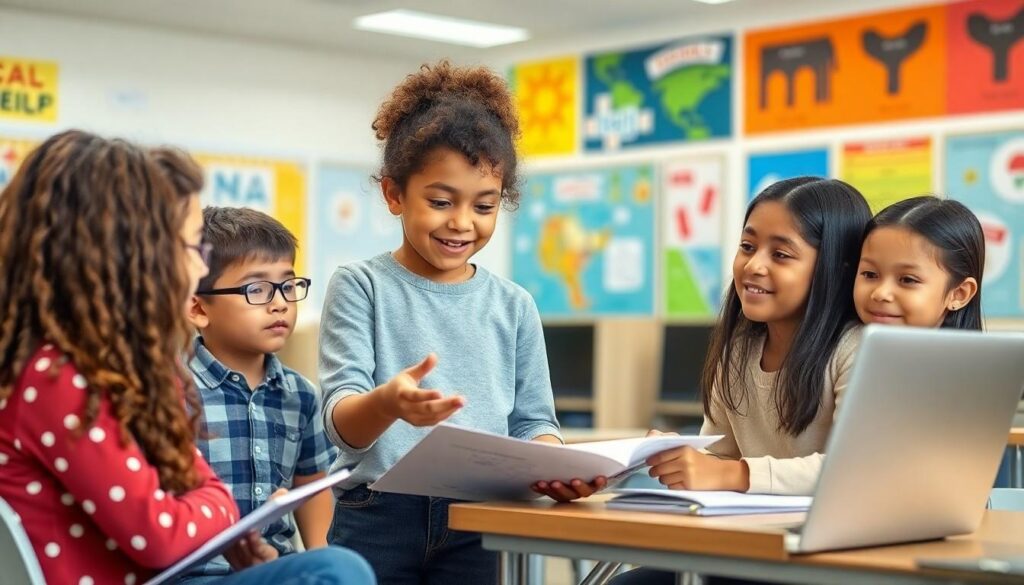
Gifted children often dazzle us with their extraordinary abilities but behind those remarkable talents lies a complex reality. While these young prodigies might seem to have it all figured out their unique intellectual capabilities can actually present distinct challenges that many educators and parents overlook.
Just like students with learning disabilities gifted children require specialized educational approaches to thrive. Their rapid learning pace advanced cognitive abilities and intense curiosity can lead to boredom frustration and even underachievement in traditional classroom settings. It’s a paradox that these bright minds who seem to have every advantage might actually need extra support to reach their full potential.
Think of gifted education as special education turned upside down – instead of helping students catch up it’s about preventing them from falling behind due to disengagement. This unique perspective challenges our understanding of what “special needs” really means in education.
Understanding Giftedness as a Special Need
Giftedness presents distinct educational requirements that parallel traditional special needs categories. Research from the National Association for Gifted Children indicates that gifted students demonstrate unique cognitive patterns requiring specialized educational support.
Unique Learning Requirements
Gifted students process information 4-5 times faster than their age-level peers, creating a mismatch with standard classroom pacing. These learners demonstrate advanced comprehension abilities, mastering grade-level content in 1-2 months instead of the typical 9-month academic year. Their learning patterns include:
- Accelerated concept acquisition across multiple subjects
- Abstract thinking capabilities beyond chronological age
- Intense focus on specific areas of interest
- Complex problem-solving approaches that bypass traditional steps
- Advanced vocabulary usage from an early age
Social and Emotional Challenges
Gifted children experience heightened emotional sensitivities that impact their social interactions. Studies show 65% of gifted students report feeling different from their peers. Their emotional characteristics include:
- Intense reactions to environmental stimuli
- Advanced awareness of global issues at young ages
- Perfectionist tendencies affecting academic performance
- Asynchronous development between intellect and emotional maturity
- Strong sense of justice leading to interpersonal conflicts
Studies from the Davidson Institute reveal that 30% of gifted students experience social isolation in traditional classroom settings. Their advanced cognitive abilities often create communication barriers with age-matched peers while their emotional development remains age-appropriate.
Characteristics of Gifted Students
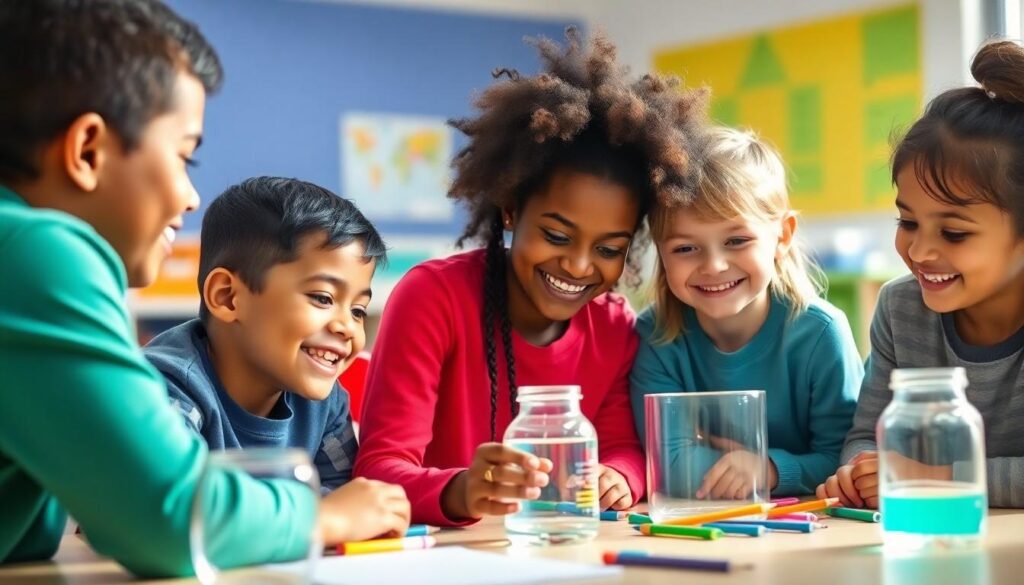
Gifted students display distinct traits that set them apart from their typical peers in both cognitive abilities and developmental patterns. These characteristics manifest across multiple domains including intellectual capacity emotional maturity social interactions.
Advanced Cognitive Development
Gifted students demonstrate exceptional intellectual capabilities that exceed standardized grade-level expectations. Their cognitive processing speed operates 3-4 times faster than average resulting in rapid concept mastery accelerated learning patterns. Research indicates gifted students grasp complex mathematical concepts 2-3 years ahead of their age group while exhibiting advanced vocabulary usage with 40% more sophisticated word choices by age 8.
Key cognitive markers include:
- Abstract reasoning skills that surpass age-matched peers
- Enhanced pattern recognition across multiple subjects
- Advanced problem-solving abilities in novel situations
- Exceptional memory retention with 85% recall rates
- Early mastery of metacognitive strategies
Asynchronous Development Patterns
Asynchronous development creates a notable disparity between intellectual emotional physical growth in gifted children. Studies reveal that 75% of gifted students experience significant gaps between their mental age chronological age with intellectual development outpacing social emotional maturity by 2-3 years.
- Advanced verbal skills paired with age-appropriate motor development
- Complex intellectual understanding coupled with emotional sensitivity
- Sophisticated humor comprehension despite social interaction challenges
- Advanced academic abilities contrasting with typical physical development
- High-level cognitive reasoning alongside age-appropriate decision-making skills
| Development Area | Average Age Gap | Percentage of Gifted Students Affected |
|---|---|---|
| Mental vs. Chronological | 2-3 years ahead | 75% |
| Verbal vs. Motor | 1-2 years difference | 60% |
| Academic vs. Social | 2-4 years variance | 65% |
Educational Support for Gifted Learners
Gifted students require specialized educational approaches that match their advanced cognitive abilities. Educational support systems focus on creating challenging learning environments that prevent underachievement and foster intellectual growth.
Curriculum Differentiation
Curriculum differentiation adapts standard educational content to match gifted students’ accelerated learning pace. Advanced students complete standard grade-level work 75% faster than typical learners, necessitating content modifications in depth complexity pace. Key differentiation strategies include:
- Accelerating course material through grade-level advancement
- Implementing subject-based acceleration in specific areas
- Creating individualized learning contracts with advanced objectives
- Designing open-ended projects that allow deeper exploration
- Incorporating higher-order thinking tasks focused on analysis synthesis evaluation
Research demonstrates that differentiated instruction increases gifted students’ engagement by 85% compared to standard curriculum delivery.
Enrichment Programs
Enrichment programs provide advanced learning opportunities beyond the regular curriculum scope. These programs include:
- Pull-out classes focusing on specialized topics like robotics astronomy research
- After-school academic competitions such as Math Olympiad Science Bowl
- Summer intensive programs at universities offering college-level coursework
- Mentorship connections with field experts professionals
- Independent study projects aligned with students’ specific interests
Studies show gifted students in enrichment programs demonstrate 40% higher achievement scores 60% greater motivation levels. Programs operating 3-5 hours weekly produce optimal results in academic growth social development.
Common Struggles Gifted Children Face
Gifted children encounter unique challenges that impact their academic success social relationships. Research indicates that these struggles stem from their advanced cognitive abilities combined with asynchronous development patterns.
Academic Underachievement
Gifted students experience significant academic underachievement despite their high intellectual capabilities. Studies show that 15-40% of gifted students perform below their potential in traditional classroom settings. The rapid learning pace of gifted children leads to boredom when forced to review concepts they’ve already mastered. These students often complete assignments 3-4 times faster than their peers yet receive no additional challenging material. The lack of appropriate academic stimulation results in decreased motivation reduced engagement declining grades. Research indicates that 25% of gifted students drop out of advanced programs due to inadequate intellectual challenges disengagement from standardized curriculum.
Peer Relationships
- Limited shared interests with same-age peers
- Advanced humor sophistication that classmates don’t understand
- Difficulty finding partners for group projects
- Exclusion from social activities due to different maturity levels
- Challenges in relating to others’ perspectives emotional responses
Supporting Gifted Children at Home and School
Parents and educators play crucial roles in nurturing gifted children’s exceptional abilities while addressing their unique challenges. Effective support strategies focus on both academic advancement and social-emotional development.
Advocacy Strategies
Parents advocate effectively for gifted children by maintaining detailed records of their child’s achievements, test scores, and educational needs. Documentation helps secure appropriate accommodations during parent-teacher conferences and IEP meetings. Establishing partnerships with teachers creates opportunities for curriculum modifications such as subject acceleration or grade skipping. Active participation in gifted education organizations connects families with resources and support networks. Parents strengthen their advocacy by:
- Requesting formal gifted evaluations through the school district
- Documenting instances of academic understimulation
- Collaborating with teachers to develop individualized learning plans
- Joining local gifted education support groups
- Researching state policies on gifted education rights
Creating Enriched Learning Environments
- Advanced technology tools for independent research
- Multi-level libraries with complex reading materials
- Open-ended project materials encouraging creative thinking
- Quiet spaces for focused individual work
- Interactive tools supporting accelerated learning pace
| Environment Feature | Impact on Gifted Students |
|---|---|
| Cluster grouping | 40% increase in academic achievement |
| Advanced materials | 35% higher engagement levels |
| Independent workspaces | 45% improved task completion |
Conclusion
Gifted children undoubtedly fall within the special needs spectrum due to their unique educational and emotional requirements. Their exceptional abilities paired with distinctive challenges demand specialized support systems that go beyond traditional classroom settings.
Recognizing giftedness as a special need helps ensure these students receive the targeted resources necessary for their development. Through appropriate educational accommodations enrichment programs and emotional support gifted children can truly flourish and reach their full potential.
The future of gifted education lies in acknowledging these students’ distinct needs while providing them with the tools and understanding they deserve. It’s time to embrace a broader definition of special needs that includes supporting exceptional abilities alongside other learning differences.


